



Knives for Survival Missions: Must-Have Features
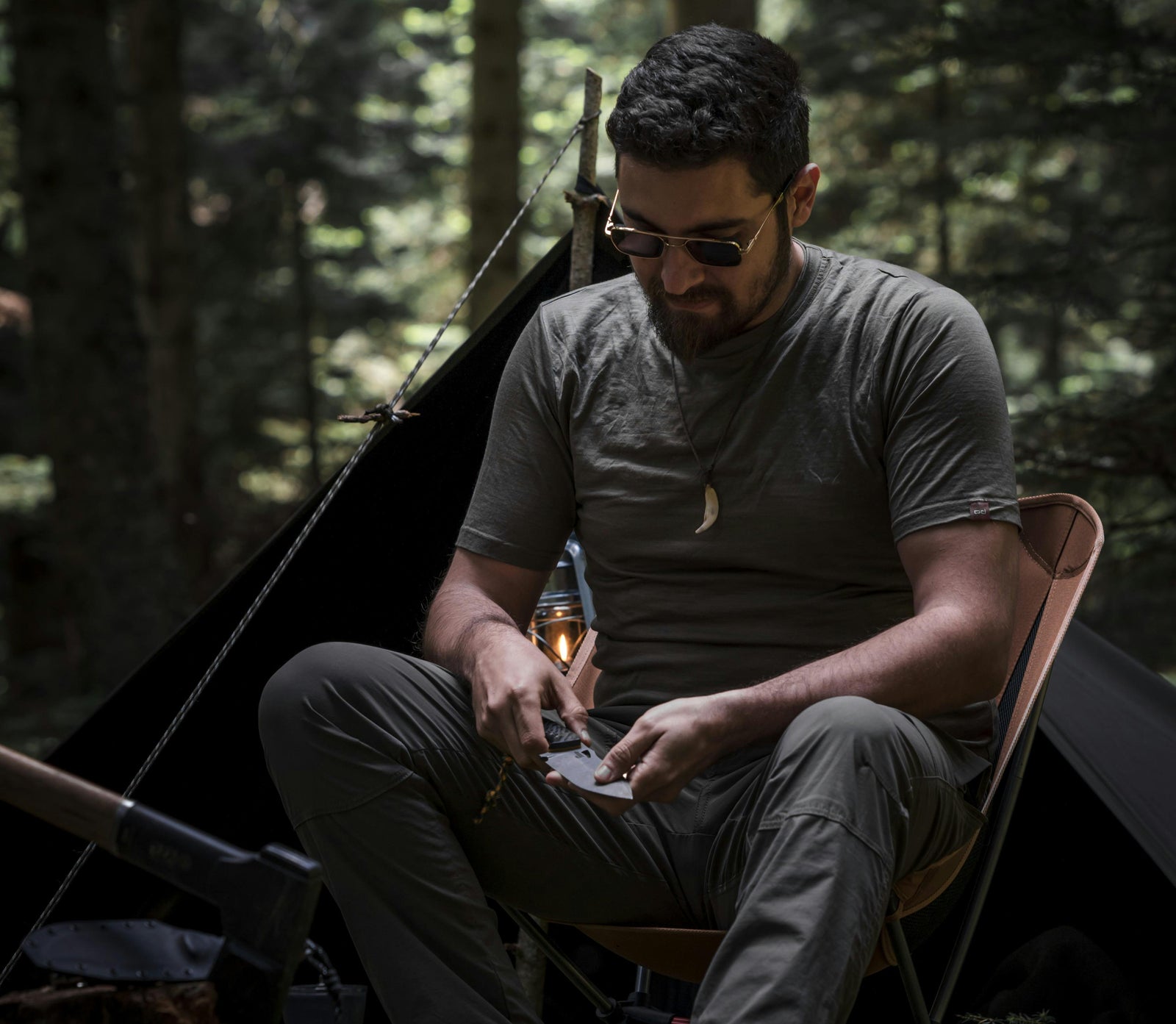
Survival knives are indispensable tools when it comes to surviving in the wilderness. Whether you're an experienced adventurer or an outdoor enthusiast, choosing the right knife can make the difference between success and failure. But what defines a good survival knife? Here are the most important features you should consider:
1. Robustness and Reliability
A survival knife must be robust and durable. It should be made of high-quality steel that is both corrosion-resistant and easy to sharpen. Popular steel types for survival knives include 1095 carbon steel or stainless steel like VG-10. These offer a good balance between hardness and flexibility.
2. Full-Tang Construction
Full-tang construction means that the blade extends continuously through the handle. This ensures maximum stability and prevents the outdoor knife from breaking during intensive use. In contrast, knives with partial tangs or stick tangs are less stable and can fail in extreme situations.
3. Size and Weight
The size of a survival knife should be well thought out. A blade length of about 10 to 15 cm is ideal, as it is versatile enough for various tasks without being unwieldy. Weight also plays a role: the knife should be heavy enough to perform powerful tasks, but light enough to carry comfortably.
4. Ergonomic Handle
A good handle not only provides comfort but also safety. The handle should be non-slip and feel good in the hand even when wet or cold. Materials like Micarta, G10, or rubberized surfaces are ideal. Make sure the handle has no sharp edges that could injure your hand during prolonged use.
5. Versatile Blade Shape
The blade shape plays a crucial role in functionality. A drop-point blade is particularly popular because it offers a strong tip and a versatile cutting edge. It is excellent for tasks such as carving, cutting, and even hunting. A clip-point blade can also be useful but offers less tip stability.
6. Blade Spine Thickness
A thicker blade is more resistant and can also be used for demanding tasks such as batoning wood. A spine thickness of 4 to 6 mm is optimal for survival knives.
7. Additional Features
Many survival knives come with additional features that can be useful in an emergency. Examples include a pommel at the end of the handle, a serrated edge, or an integrated fire starter. A sheath with attachment options for belts or backpacks is also a valuable extra.
8. Easy Maintenance
In a survival situation, you need to be able to maintain your knife easily. Models with a plain edge are easier to sharpen than those with a serrated edge. A rust-resistant coating can help protect the knife from the elements but should not come at the expense of cutting performance.
Conclusion
A good survival knife is more than just a tool – it's a lifesaver. When choosing one, make sure it is robust, versatile, and easy to handle. By paying attention to the must-have features listed above, you can ensure that your knife won't let you down in any situation. Invest in quality, and your knife will become a loyal companion on your wilderness adventures.

Leave a comment